We’ve all experienced it….that moment when something just doesn’t feel right.
Maybe someone is following you through a store. Perhaps a stranger is asking unusual questions, or you notice someone lingering near your vehicle. Whatever the situation, those first few seconds are often the most important.
Learning how to respond quickly and confidently can make all the difference. Here’s what to do when a situation feels off.
Listen to Your Instincts
Your brain is constantly processing information, even before you consciously recognize danger. If your gut tells you something feels off, don’t dismiss it because you don’t want to seem rude or overreact.
Many people ignore their instincts because they worry about embarrassing themselves or offending someone. However, your personal safety is always more important than someone else’s opinion of you. If something doesn’t feel right, you don’t need to justify your decision to leave, change directions, or seek help.
Trust yourself. Acting on your intuition early often gives you more options and more time to respond before a situation has the chance to escalate. Your instincts are one of the most valuable safety tools you have. Listen to them.

Create Distance
If someone makes you uncomfortable, increase the space between you and them.
You can:
- Walk into a nearby business.
- Cross the street.
- Head toward a populated area.
- Change directions.
Distance creates time to think and reduces opportunities for someone to approach you.
Get Around Other People
If you feel uneasy, don’t isolate yourself.
Move toward:
- Store employees
- Security personnel
- Families
- Crowded public areas
People with bad intentions are less likely to act when others are nearby.

Keep Moving
If you’re being followed or someone continues approaching you, don’t go directly home. Instead, keep moving toward a safe, public location where other people are present.
Consider:
- Drive to the nearest police station.
- Stop at a busy business or well-populated area.
- Call someone you trust using hands-free features if you’re driving.
- If you genuinely fear for your safety or believe you’re being followed, call 911 immediately. Stay on the line with the dispatcher, explain your location, and follow their instructions. It’s always better to call for help early than wait until the situation becomes more dangerous.
Your goal is to stay where help is available and avoid putting yourself in an isolated location. Trust your instincts. If something feels wrong, don’t hesitate to involve law enforcement. Your safety is the priority.
Be Ready to Speak Up
Confidence can discourage unwanted attention.
Simple phrases like:
- “Can I help you?”
- “Please step back.”
- “I’m not interested.”
- “I’m calling for help.”
can establish boundaries and attract attention if needed.

Prepare Before You Need It
The best time to think about your response is before you’re ever in an uncomfortable situation.
Practice staying aware of exits, keeping your phone accessible, and thinking through simple safety plans for places you visit regularly.
Preparation builds confidence.
Awareness Is Your Best Defense
Most situations never become emergencies, but recognizing warning signs early gives you more options and more control.
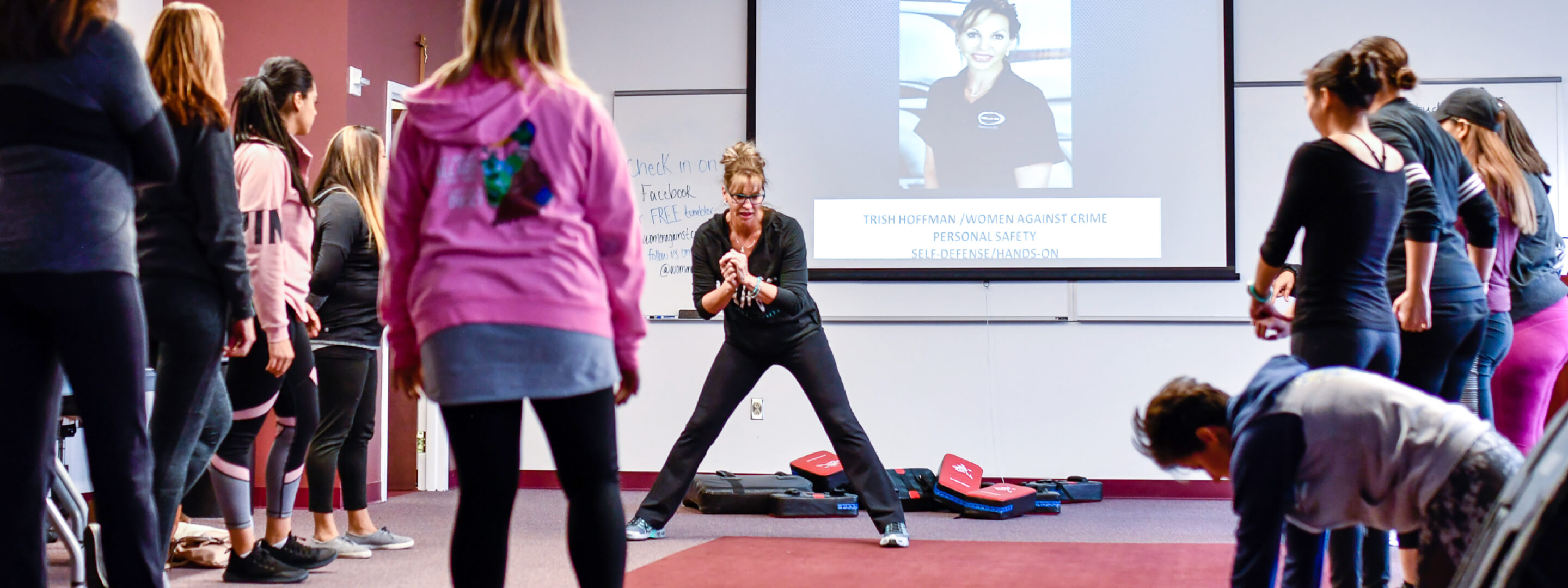
At Women Against Crime, our mission is to educate and empower women with practical safety knowledge they can use every day. Paying attention to those first few seconds and trusting your instincts can help you make decisions that protect yourself and those around you. Ready to take your personal safety to the next level? Join a Women Against Crime self-defense class and learn practical skills that empower you to recognize danger, respond with confidence, and protect yourself every day.