You’ve probably heard the term situational awareness before. It’s often mentioned in conversations about personal safety—but what does it actually mean in real life?
At Women Against Crime, situational awareness isn’t about living in fear. It’s about being present, prepared, and confident in your surroundings so you can recognize potential risks before they escalate.
The truth is, situational awareness isn’t something you turn on and off. It’s a skill you build and use every day.
What Is Situational Awareness?
Situational awareness is your ability to:
- Be aware of your environment
- Recognize what’s normal, and what’s not
- Identify potential threats early
- Make decisions that keep you safe
It’s not about being paranoid or constantly on edge. It’s about paying attention with purpose.
What Situational Awareness Actually Looks Like
Situational awareness isn’t complicated, but it does require intention. Here’s what it looks like in everyday situations:
In Parking Lots
Instead of walking to your car distracted or looking at your phone, you’re:
- Scanning your surroundings
- Noticing who and what is around you
- Having your keys ready before you reach your vehicle
These small habits reduce vulnerability and give you more control.

Running Errands
When you’re in a store or public place, situational awareness might look like:
- Noticing exits when you walk in
- Being aware of people around you
- Trusting your instincts if something feels off
It’s not about analyzing everyone, it’s about staying tuned in.

Walking or Exercising Outdoors
Whether you’re walking your dog or going for a run:
- Keep your head up and avoid distractions
- Limit headphone volume or use one earbud
- Be aware of who is around you, especially anyone approaching, following, or lingering nearby
These habits help you stay one step ahead.

At Home
Situational awareness doesn’t stop when you walk through your front door:
- Lock doors and windows consistently
- Be cautious about unexpected visitors
- Be aware of any unusual activity in your neighborhood
Safety starts with awareness, even in familiar places.
The Power of Trusting Your Instincts
One of the most important parts of situational awareness is trusting your gut. If something feels off, it probably is.
Too often, people second-guess themselves or worry about being “rude.” But your safety comes first. You don’t need permission to:
- Create distance
- Leave a situation
- Say no without explanation
Trusting your instincts is what makes situational awareness effective. Without it, even the best tips won’t matter.
Awareness Creates Confidence
Situational awareness isn’t about fear, it’s about confidence.
When you’re aware of your surroundings, you:
- Feel more in control
- React more quickly if needed
- Carry yourself with confidence (which can deter potential threats)
It’s one of the most effective and accessible safety skills you can develop.
Learn How to Strengthen Your Awareness
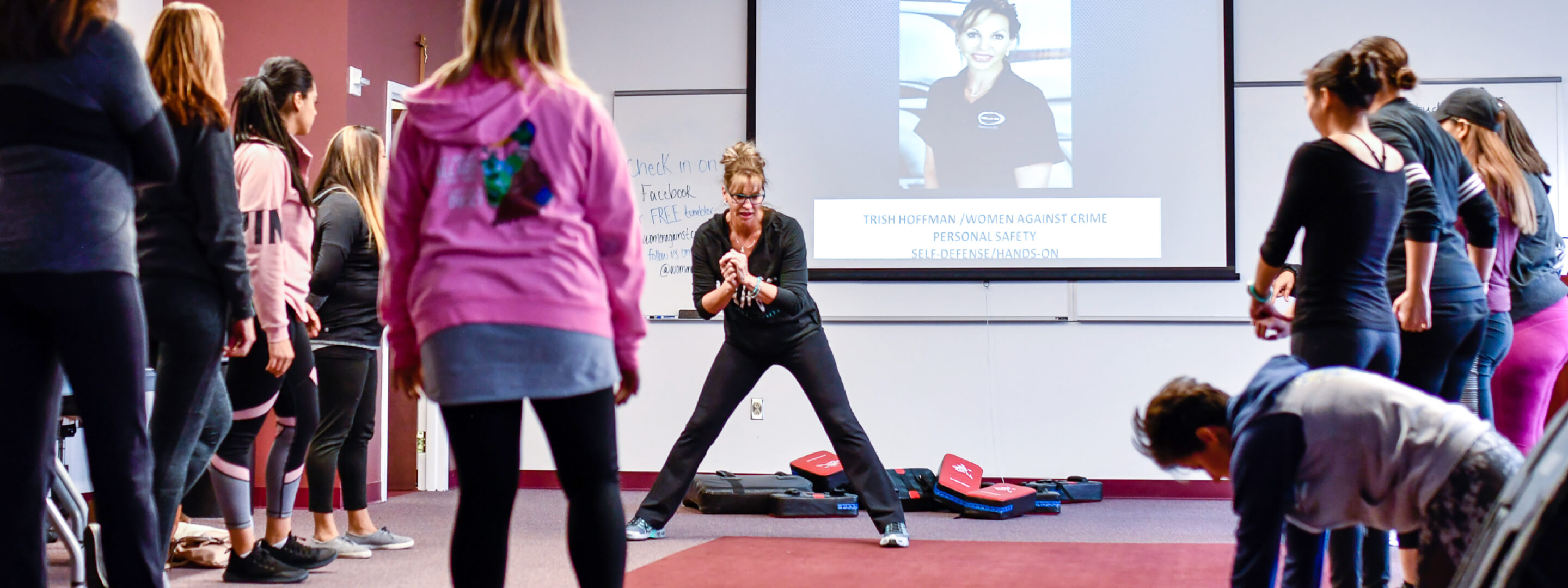
Situational awareness is a skill, and like any skill, it can be practiced and improved. At Women Against Crime, Trish teaches real-world strategies that help you build awareness, confidence, and practical self-defense skills you can use in everyday life. If you’re ready to feel more confident and prepared, we invite you to join a class with Women Against Crime.
Trish’s training goes beyond theory. She focuses on real-life situations, practical skills, and empowering you to take control of your personal safety. Contact Women Against Crime today to learn more about upcoming classes and how you can get started.