The start of a new school year brings excitement, new friendships, and new routines. It also presents opportunities to teach children important personal safety skills. While every parent wants to protect their child, it’s equally important to help them build confidence instead of fear.
Situational awareness is simply the ability to notice what’s happening around you and make smart decisions. When taught in a positive, age-appropriate way, it becomes a valuable life skill that helps children stay safe without causing unnecessary anxiety.
What Is Situational Awareness?
Situational awareness means paying attention to your surroundings, recognizing when something doesn’t seem right, and knowing how to respond. It isn’t about expecting danger everywhere. Instead, it’s about helping children become observant, confident, and prepared.
Children who practice situational awareness are more likely to recognize unsafe situations early and make good decisions before a problem develops.

Make Awareness Part of Everyday Life
One of the best ways to teach situational awareness is through everyday conversations and routines.
As you walk through a parking lot, ask your child what they notice around them. While shopping, point out emergency exits or discuss who they could ask for help if you became separated. During family outings, encourage them to observe their surroundings instead of focusing only on electronic devices.
These simple activities help children develop awareness naturally.
Teach Them to Trust Their Instincts
Children should know that it’s okay to feel uncomfortable.
If someone makes them feel uneasy, even if they can’t explain why, they should know they can leave the situation and tell a trusted adult. Reinforce that they will never get into trouble for speaking up when something feels wrong.
Teaching children to trust their instincts empowers them to protect themselves while knowing they have support.
Practice Safe Habits Before School Starts
Before the first day of school, spend time reviewing your family’s safety plan.
Discuss topics such as:
- Walking confidently and staying aware.
- Avoiding distractions like phones while walking.
- Never accepting rides from someone without parental permission.
- Staying with friends whenever possible.
- Knowing safe places to go if they need help.
- Memorizing important phone numbers and addresses.
Practicing these habits ahead of time helps children feel prepared rather than overwhelmed.

Encourage Open Communication
The most effective safety tool is open communication between parents and children.
Ask about their day regularly. Encourage them to share situations that made them feel uncomfortable, even if nothing happened. Listen without judgment and thank them for speaking honestly.
When children know they can talk openly, they are more likely to report concerns before they become serious.
Build Confidence Instead of Fear
The goal of teaching situational awareness isn’t to make children afraid of the world. It’s to help them move through it confidently.
Children who understand how to recognize potential risks often feel more secure because they know what to do if something doesn’t seem right.
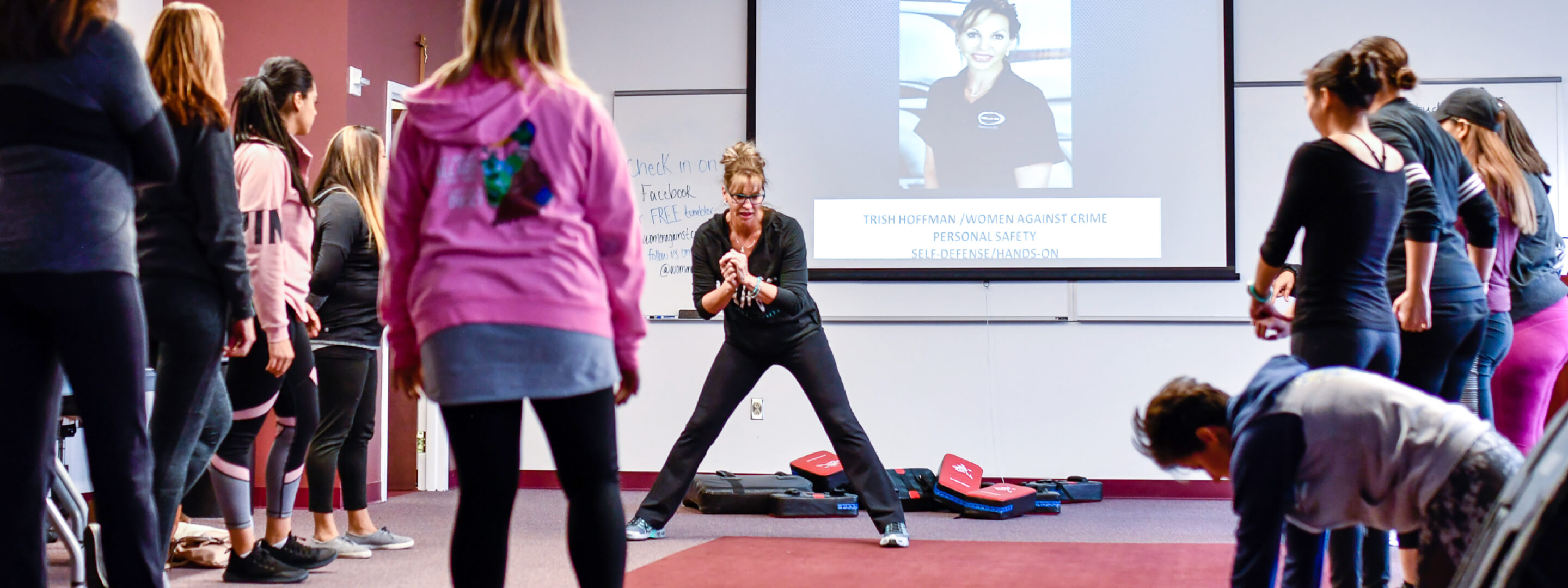
At Women Against Crime, Trish believes education is one of the strongest tools for preventing crime. By teaching children situational awareness with encouragement and confidence, families can help prepare them for a safer school year and a lifetime of smart decision-making. Sign up for one of Trish’s classes today and take the first step toward becoming more aware, prepared, and empowered.